
About Us
Khyentse Vision Project is a non-profit translation initiative under the umbrella of Khyentse Foundation.
Mission
Khyentse Vision Project is a digital hub for the writings and treasures of the Khyentse lineage. Through translation, scholarship, and creative initiatives, our mission is to provide meaningful access to this precious living legacy of wisdom and compassion.
Vision
We envision a future where the authentic teachings and blessings of the Khyentse lineage remain accessible and potent. To actualize this, we uphold scholarly rigor and the living transmission of the texts, while embracing technical innovation through interactive digital content, cutting-edge translation tools, and creative endeavors. Our aim is to reimagine how global audiences can engage with these teachings, while preserving their integrity as vehicles for awakening.
Scope
Our primary focus is the collected works of the First Great Khyentse—Jamyang Khyentse Wangpo (1820–1892)—a renowned luminary, erudite scholar, extraordinary terton, and prominent advocate of the nineteenth-century Rimé approach.
Khyentse Wangpo’s writings are preserved in two major collections: his Collected Works (Kabum) and his Seven Transmissions (Kabab Dun) collection of treasures. Altogether, these 30,000 pages comprise one of the most influential bodies of Tibetan Buddhist literature and includes philosophical treatises, songs, sādhanas, histories, treasure cycles, and meditation instructions from all traditions of Tibetan Buddhism. This impartial cherishing of all traditions is a hallmark of the Khyentse masters—one we carry forward through our translation work and creative initiatives.
Our scope also includes related liturgies and commentaries from the broader Khyentse lineage. Alongside translation, we pursue community outreach, translator training, regular workshops and teachings, and the development of immersive practitioner-focused resources. Ultimately, we aspire to become a resource-rich hub for the translated works of all Khyentse lineage masters — a living treasury that inspires future generations to discover, practice, and awaken.
I hope and pray that the vision of Khyentse will prevail.”
The diversity of material found in these collections demands a correspondingly wide range of expertise, experience, and qualifications from our translators and editors. One of KVP’s goals is to support translators and scholars of Tibetan Buddhism by recruiting and training the next generation of motivated and talented individuals who aspire to dedicate their energy to making Khyentse Wangpo’s works widely available.
Altogether, the translation of the major works from the 24-volume Kabum and 22-volume Kabab Dun is projected to take 10 years to complete. KVP is currently producing English translations and plans to eventually expand to include other languages.
We are the first project to translate an entire collection by one Tibetan master into English. We are setting a precedent framework for the future translation of similar collections.
We produce tantric liturgies that are regularly taught on and practiced by sanghas around the world from all Tibetan Buddhist traditions.
Our training program supports a new generation of translators, by targeting the skills required to expertly translate the wide range of material found in these collections.
We are bringing to life the world of Khyentse Wangpo through creative, multi-media initiatives, including metred verse, musical collaborations, a 3D archival gallery, maps, artwork, and live teachings.
Core Values & Principles
Impartiality & Synergy
Khyentse Wangpo was renowned for supporting and preserving all Buddhist lineages in Tibet, which is reflected in his collections. KVP strives to follow Khyentse Wangpo’s example by upholding a nonsectarian attitude that cherishes all Buddhist traditions equally. KVP is therefore not affiliated with one particular tradition and recruits team members from a wide range of Buddhist backgrounds and affiliations.
Accuracy & Readability
KVP aims to respect the context of the Buddhist system represented in each text by applying a rigorous approach to translation methodology and editorial processes that avoids an overly interpretative translation. This emphasis on accurately reflecting the source text is balanced with an aim to make our translations fluent and accessible in the target language to ensure readability, relatability, and inspiration.
Collaboration & Research
In keeping with Khyentse Wangpo’s collaborative approach when working to preserve the various Buddhist lineage traditions, KVP strongly emphasizes collaboration with other translation groups and projects. This is expressed through freely sharing resources and data, presenting open workshops and events, and allowing translators to reproduce their translations on other platforms. We also aim to contribute to a greater understanding of Khyentse Wangpo through publishing independent research and sharing our findings with scholastic and monastic communities.
Tradition & Integrity
Throughout his life, Khyentse Wangpo was both an exceptional scholar and realized practitioner. In this spirit, our translators and editors are also scholar-practitioners. All translators working on a particular text will have received the appropriate transmission before embarking on their work. KVP recognizes that we are fortunate that Khyentse Wangpo’s collections have been passed down through a living tradition, and we regularly receive the guidance of lineage holders.
Quality & Innovation
KVP consults and works with the most knowledgeable scholars and experts to ensure the highest quality publications. We put each translation through a rigorous review and editorial process until we are confident that the translation reflects the spirit and meaning of the source text. We also embrace modern translator tools and resources that improve the working life of translators and translation accuracy. Through these efforts, KVP aims to build a robust framework for translation and publication that will accommodate future technological developments in the field.
Generosity & Sustainability
The principle of generosity is integrated into who we are, visible in the extra time and expertise often donated by our team members, the kindness of our donors and supporters, and in our mission to make our publications freely accessible. In order that the fruits of this generosity are enjoyed well into the future, we have established a free training and internship program, which nurtures future generations of translators by helping them hone their skills and gain experience in professional translation.
Creativity & Vision
KVP continually seeks new and imaginative ways to transmit the skillful means and wisdom contained in the Khyentse Wangpo collection for Buddhists around the world. This includes focusing on musical, poetic, and artistic initiatives, developing an immersive multimedia reading room, and hosting a wide range of relevant Dharma teachings. Through these initiatives we hope to contribute to contemporary Buddhist culture and ensure that the extraordinary legacy of the Khyentse lineage masters endures.

Collaboration
In keeping with the spirit of Jamyang Khyentse Wangpo’s collaborative approach, a defining quality of Khyentse Vision Project is its emphasis on working together with other expert Dharma teachers, translators, and translation groups.
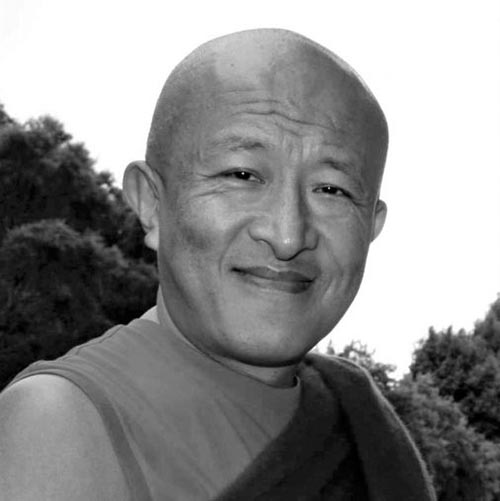
Khyentse Vision Project is indebted to the gracious support and advice of numerous lamas and Dharma teachers whose encouragement have enabled the project to take shape in a most auspicious way. We recognize that we are fortunate that Khyentse Wangpo’s collections have been passed down through a living tradition, and we regularly receive the guidance of lineage holders. KVP would like to especially thank Dzongsar Khyentse Rinpoche (our principal advisor), Jigme Khyentse Rinpoche, His Holiness the 42nd Sakya Trizin Ratna Vajra Sakya, Shechen Rabjam Rinpoche, Dzigar Kongtrul Rinpoche, Alak Zenkar Rinpoche, Chagdud Khadro, Matthieu Ricard, Erik Pema Kunzang and Elizabeth Mattis Namgyal for their continued guidance on the project. KVP also wishes to thank Khyentse Foundation and our project consultants for their continued support and input on project strategy and development.
- Dzongsar Khyentse RinpocheKhyentse Vision Chair & Principal Advisor
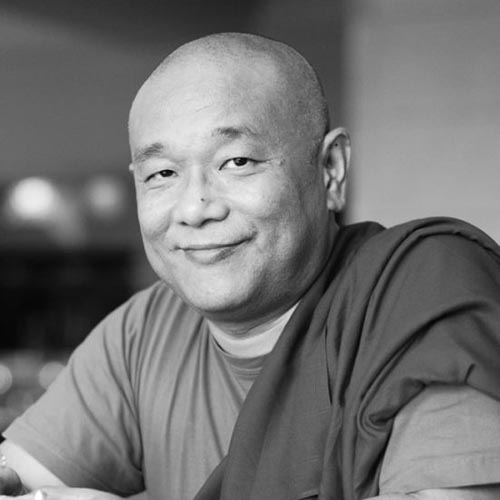 Jigme Khyentse RinpocheKhyentse Vision Project Principal Advisor
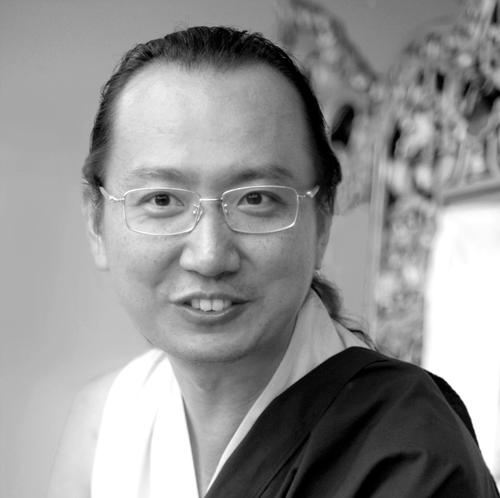 His Holiness the 42nd Sakya Trizin, Ratna Vajra SakyaAdvisor
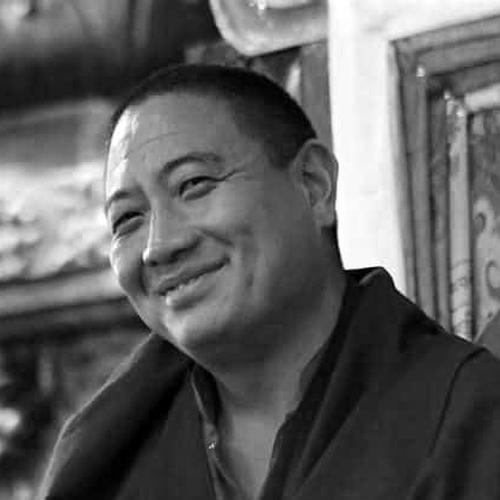 Shechen Rabjam RinpocheAdvisor
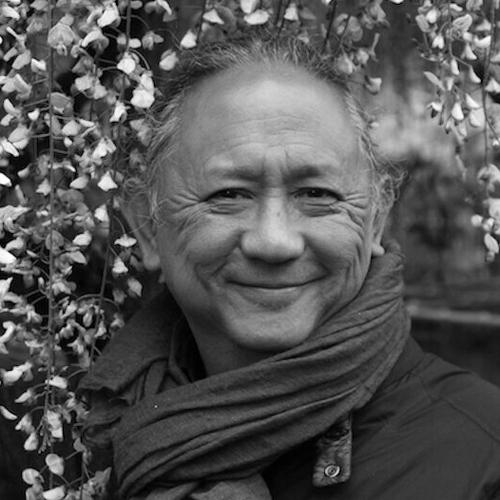 Dzigar Kongtrul RinpocheAdvisor
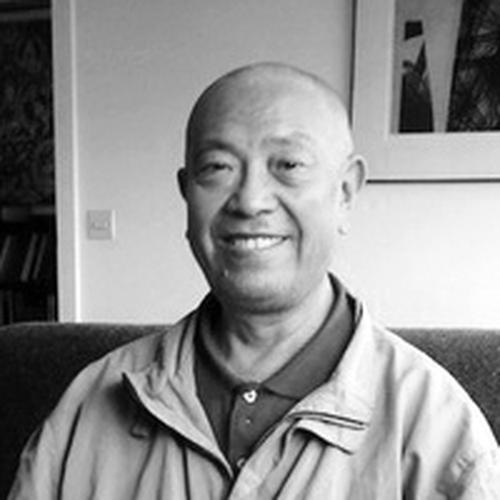 Alek Zenkar RinpocheAdvisor
- Chagdud KhadroAdvisor
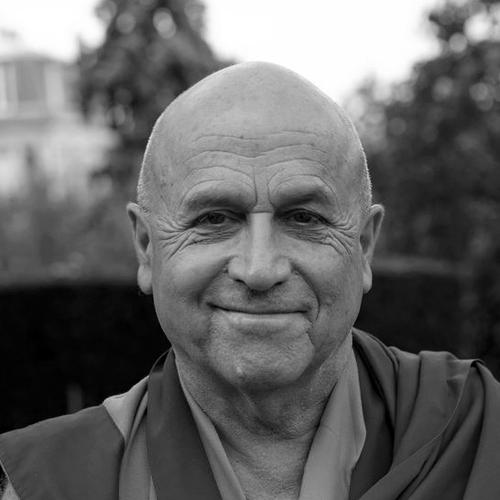 Matthieu RicardAdvisor
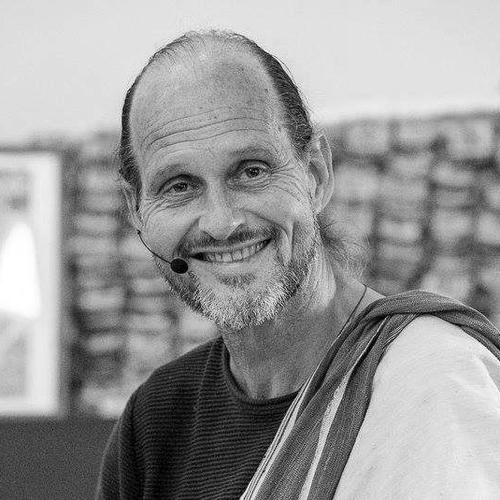 Erik Pema KunsangAdvisor
 Elizabeth Mattis-NamgyelAdvisor
We gratefully acknowledge our fruitful collaboration with the following organizations:
- BuddhaNexus
- Buddhist Digital Resource Center
- Dharma Sagar
- Dharmachakra Translation Committee
- Dzongsar Monastery, Derge
- Khyentse Foundation
- Kumarajiva Project
- Lotsawa House
- Mangala Shri Bhuti
- Nalanda Translation Committee
- Padmakara Translation Group
- Rangjung Yeshe Institute
- Samye Translations
- Shechen Monastery
- Siddhartha’s Intent
- Treasury of Lives
- Tsadra Foundation
- Vairochana’s Legacy
- 84000
“I’m very impressed with KVP’s project design, people, planned outputs, and so on. I hope other communities will take it as a model and attempt something just as bold.”Jann Ronis — BDRC Executive Director

Tantric Texts Policy
Jamyang Khyentse Wangpo’s corpus includes Vajrayāna works from a range of Tibetan Buddhist lineage traditions and schools. Many tantric texts require prerequisites (e.g., a reading transmission, an empowerment, and/or an explanation by a lineage holder) to be read and practiced. Sometimes these requirements are detailed in the texts themselves (e.g., in the beginning or in the colophon of the work). In other cases these requisites are implied and will require specific guidance by a teacher of the lineage tradition associated with the text. In general, a tantric text that requires a prerequisite will include a warning at the beginning of the KVP translation and/or will require a reader to register for a KVP account before accessing the work. We advise readers to consult directly with a Dharma teacher before confirming that they have permission to read or practice a tantric text.