Responsible AI and Buddhist Texts: KVP at Trinity College Dublin
How can AI serve the careful work of reading and translating Buddhist texts, without replacing the scholars who do it?
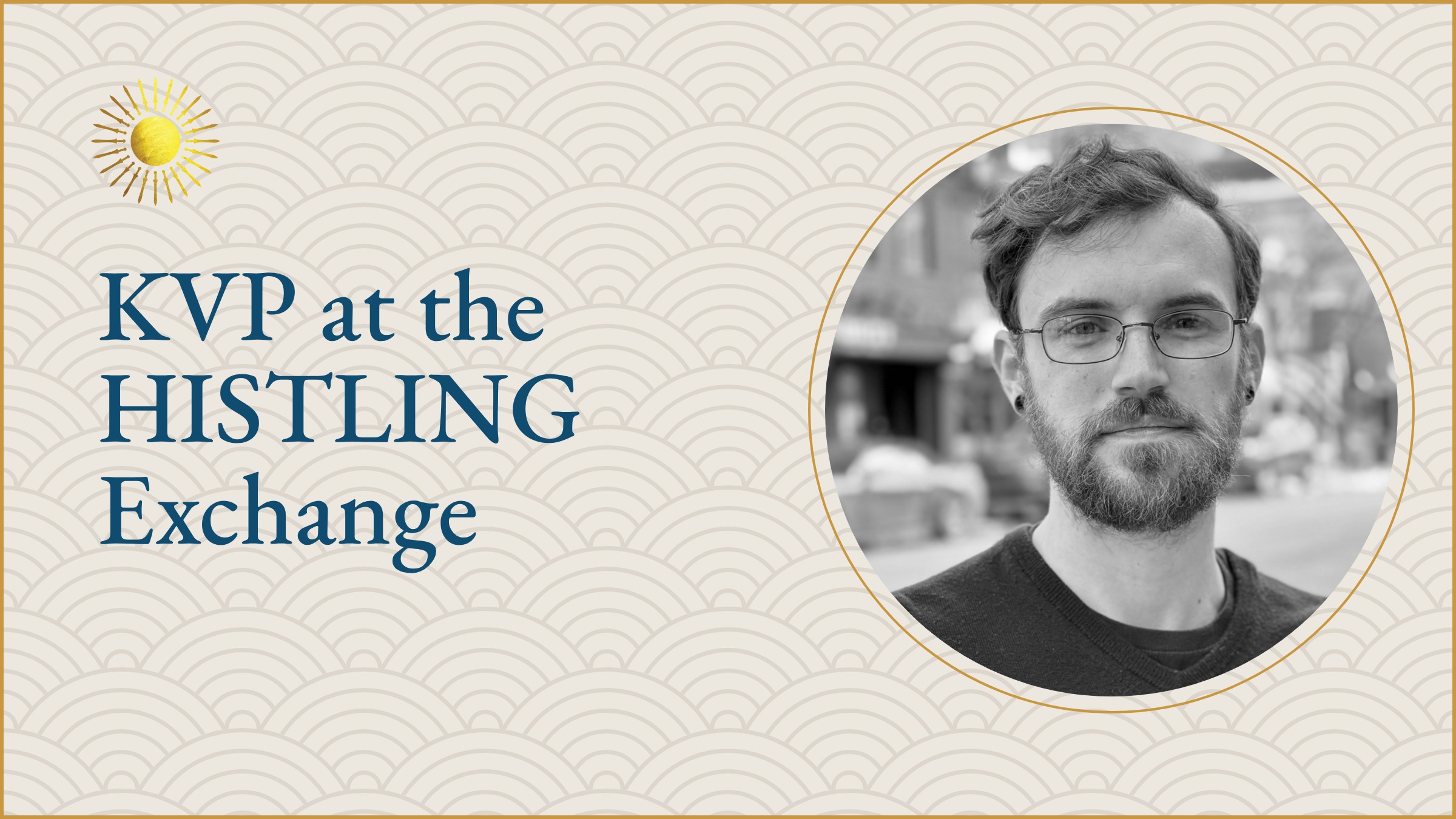
On 20 November, Jake Moore, Applied Scientist at Khyentse Vision Project, explores this question in a workshop on responsible AI-assisted textual scholarship at Trinity College Dublin. Jake created MLotsawa, a family of open-source Tibetan–English machine translation models. He also created Tibetan-WER, a tool for measuring error rates in Tibetan speech recognition. At KVP, he evaluates how AI performs on Tibetan texts, establishes benchmarks and turns research into practical tools that help us continually improve quality. His work is central to our commitment to keeping human expertise at the heart of translation while using AI as a support.
The session is part of the HISTLING Exchange Workshop on Buddhist Philology, hosted by the Trinity Centre for Asian Studies and supported by the Trinity Centre for Digital Humanities. The HISTLING Exchange is an interdisciplinary gathering of philologists, computational linguists and scholars of religious studies exploring the future of Buddhist philology in the age of digital humanities and AI. After four days of workshops and a morning roundtable on Buddhist philology in the world of AI, Jake’s workshop closes the event.
The workshop is public and hybrid, so you can join in person in Dublin or online via Zoom. To join online, email the organisers at ssathtcd@gmail.com for the link.
📅 20 November · 14:00–16:00 Dublin time (GMT) / 15:00–17:00 CET
🔗 Event details: HISTLING Exchange Workshop on Buddhist Philology